Why High-Pressure Roof Cleaning Can Void Your Warranty
Few exterior maintenance decisions carry as much hidden risk as how a roof gets cleaned. Homeowners in Richmond deal with humid summers, heavy tree cover, and frequent moisture, all of which encourage black streaks, moss, and lichen on roofing surfaces. It is understandable to want those stains gone quickly. But using a high-pressure washer on a roof is one of the most common ways homeowners accidentally void their shingle or roofing system warranty, and it can shorten the life of the roof itself.
This article explains why high-pressure methods are discouraged by roofing manufacturers, what warranty language typically says, how to recognize damage, and what safer alternatives exist for effective roof cleaning in Richmond.
Why Roofs Are Not Built to Withstand High Pressure
Roofing materials are engineered to shed water falling from above at natural angles, not to resist concentrated streams of water forced at them from low angles at several thousand pounds per square inch (PSI). Most residential pressure washing equipment operates between 2,000 and 4,000 PSI, while many roofing materials can be damaged at a fraction of that force.
Asphalt Shingles and Granule Loss
Asphalt shingles are the most common roofing material in the Richmond area. Their surface is coated with mineral granules that protect the underlying asphalt from ultraviolet radiation, absorb heat, and provide fire resistance. High-pressure water strips these granules away. Once granules are lost, the asphalt layer is exposed to sunlight and begins to dry out, crack, and deteriorate far earlier than expected.
Granule loss is cumulative and irreversible. A single aggressive cleaning can remove years of a shingle’s useful life, and the damage may not become obvious until leaks or visible bald spots appear months later.
Water Intrusion Under Shingles
Shingles overlap in a downward pattern. Pressure washing, especially when the spray angles upward, can force water beneath the shingle tabs, past the underlayment, and into the roof deck or attic. This can lead to:
- Saturated insulation that loses its R-value
- Mold and mildew growth in attic spaces
- Rotting roof decking and fascia
- Stained ceilings and drywall damage inside the home
- Broken seals on shingle adhesive strips, which increases wind-lift risk
Other Roofing Materials
https://archerbvtl143.swiftnestly.com/posts/a-business-owner-x27-s-guide-to-booking-power-washing-servicesWood shake and shingle roofs can splinter, erode, and become more porous under pressure. Clay and concrete tiles can crack, shift, or lose their surface coatings. Metal roofing can have paint or protective finishes stripped or seams compromised. Even slate, which is durable, can be fractured when tiles are old or fasteners are loose. No common residential roofing material is truly designed for high-pressure cleaning.
How Roof Warranties Address Cleaning
Most roofing warranties come in two forms: a manufacturer’s warranty covering the materials, and a workmanship warranty from the installing contractor. Both can be affected by improper cleaning.
Manufacturer Warranty Language
Major shingle manufacturers publish maintenance guidance that specifically warns against pressure washing. Their warranties generally cover manufacturing defects, not damage caused by improper maintenance or abuse. If a manufacturer inspects a claim and finds evidence of excessive granule loss, surface erosion, or physical damage consistent with pressure washing, the claim can be denied on the basis that the damage was caused by the homeowner or a hired contractor rather than a product defect.
Warranty terms differ by brand, product line, and the year of installation, so it is important to read the specific document for your roof. Common exclusions include damage from:
- Improper maintenance or cleaning methods
- Abrasive or high-pressure cleaning
- Walking on the roof in ways that cause surface damage
- Use of unapproved chemical products
- Foreign substances or environmental conditions not tied to a defect
Workmanship Warranties
Installer warranties typically cover leaks or failures resulting from installation errors. If water intrusion is traced back to cleaning damage rather than faulty installation, the roofing contractor is unlikely to cover it. Some contractors also specify in their paperwork that unauthorized work on the roof by third parties may void their coverage.
Homeowners Insurance Considerations
Insurance is separate from warranty coverage, but the two often intersect. If a roof leaks after a cleaning and the insurer determines the damage resulted from maintenance negligence rather than a covered peril like wind or hail, a claim may be limited or denied. Keeping records of how your roof has been maintained can help in any dispute.

Signs Your Roof May Have Been Damaged by Pressure Washing
If a roof has been cleaned with high pressure, either by you or a previous contractor, watch for these indicators:
- Excess granules in gutters and downspouts. Some granule shedding is normal on newer roofs, but large accumulations after cleaning are a red flag.
- Visible bald or dark patches where the shingle surface looks smooth or exposes black asphalt.
- Lifted, curled, or displaced shingles that were previously flat and sealed.
- New attic moisture, damp insulation, or musty odors following cleaning.
- Ceiling stains or drips appearing after a rain that follows the cleaning.
If you notice any of these signs, document them with dated photos and have a qualified roofer inspect the roof promptly.
The Safer Alternative: Soft Washing
The roofing industry and manufacturers widely recognize low-pressure cleaning, often called soft washing, as the appropriate approach for most roofs. Soft washing uses low water pressure, comparable to a garden hose, combined with a cleaning solution that kills the algae, moss, and lichen causing the staining. Rather than blasting debris off, the solution eliminates the organic growth at its source, and rinsing is gentle.
Why Soft Washing Works Better
Black streaks on Richmond roofs are typically caused by a cyanobacteria commonly called Gloeocapsa magma, and moss and lichen thrive in shaded, damp areas. These organisms anchor into the roof surface. Pressure alone often fails to fully remove them and can leave roots behind, leading to quick regrowth. A properly mixed cleaning solution penetrates and kills the growth, which delivers longer-lasting results with far less risk to the shingles.
What to Ask a Professional
Not every company offering pressure washing or power washing understands roof-specific requirements. Before hiring anyone, ask:
- Do you use low-pressure methods on roofs, and what is your typical PSI range?
- What cleaning solution do you use, and is it compatible with my shingle manufacturer’s guidelines?
- How do you protect landscaping, gutters, and surrounding surfaces?
- Are you licensed where required and carrying liability insurance?
- Will you provide written confirmation of the method used?
Where High Pressure Is Appropriate
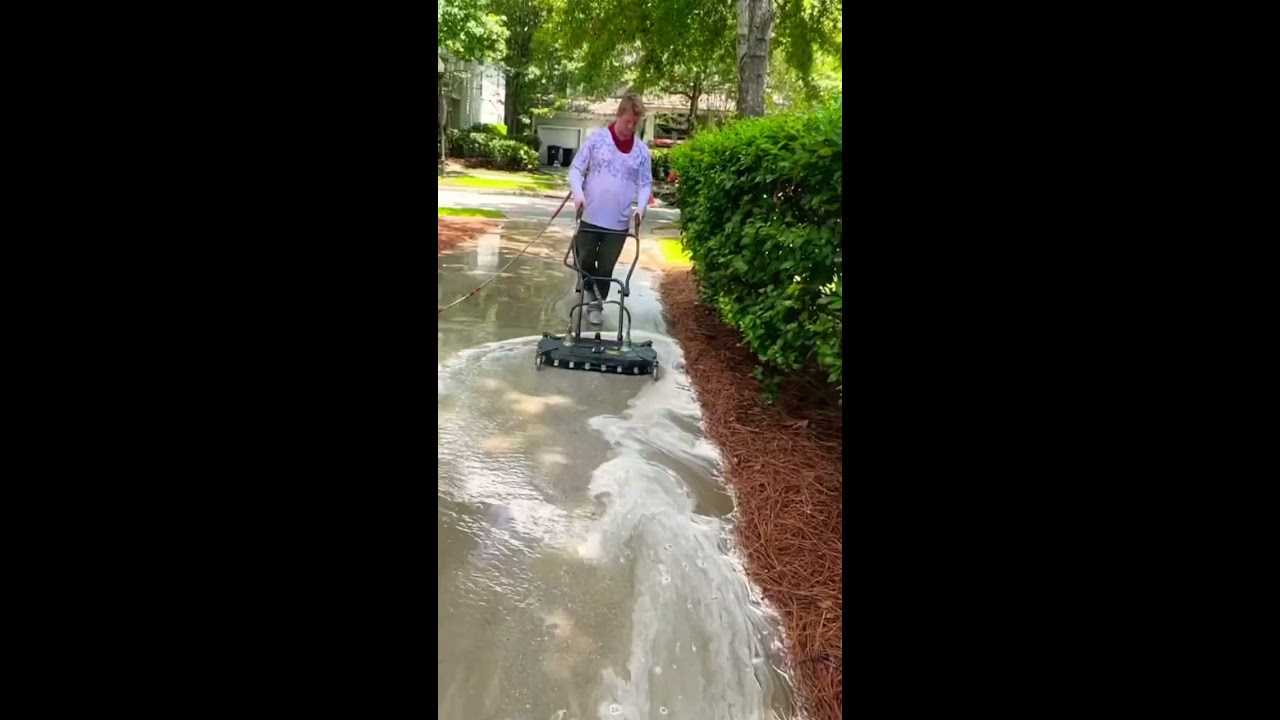
High-pressure equipment has an important place in exterior maintenance, just not on the roof. Hard, durable surfaces like concrete respond well to it. Driveway cleaning, sidewalks, and patios are classic uses of pressure washing, where oil stains, mildew, and embedded dirt can be removed effectively. Siding is more delicate, so house washing is generally best performed with a lower-pressure approach to avoid forcing water behind panels, damaging paint, or marring surfaces. A reputable exterior cleaning company will match the method to each surface rather than using one setting for everything.
Practical Steps to Protect Your Roof Warranty
Review Your Documents
Locate your warranty paperwork and read the sections on maintenance and exclusions. If you cannot find it, contact the manufacturer or the original installer for a copy. Many manufacturers also provide cleaning guidance online.
Keep Records
Save invoices and notes for any roof cleaning, repairs, or inspections. If a claim arises, documented evidence that you used appropriate, low-pressure methods strengthens your position.
Address Growth Early
Moss can lift shingle edges and trap moisture, so do not wait until it becomes severe. Regular inspections, especially after Richmond’s wetter seasons, help you catch problems when they are easier and cheaper to resolve. Trimming overhanging branches improves sunlight exposure and airflow, which slows regrowth.
Avoid DIY Pressure Washing on the Roof
Beyond warranty concerns, roof cleaning is dangerous. Wet roofing surfaces are slippery, and falls from roofs are a leading cause of serious home maintenance injuries. Leave the work to trained professionals with proper safety equipment.
Cost Versus Consequence
The price of professional low-pressure roof cleaning is typically a small fraction of the cost of premature roof replacement. As of 2026, roof replacement costs continue to be significant for homeowners, driven by material and labor pricing. Preserving the roof you have, and the warranty that protects it, is almost always the more economical choice. Extending a roof’s life by even a few years through proper maintenance can save thousands of dollars.
Final Thoughts
High-pressure roof cleaning may deliver a quick visual improvement, but it can strip protective granules, force water beneath shingles, and give manufacturers grounds to deny warranty claims. For Richmond homeowners, the safer path is to choose low-pressure soft washing from a qualified professional, confirm methods in writing, and keep thorough maintenance records. Save the high-pressure equipment for driveway cleaning and other hard surfaces, use appropriate gentle techniques for house washing, and treat the roof as the sensitive, protective system it is. Doing so keeps your home looking its best while preserving the warranty coverage you are counting on.

Richmond Pressure Cleaning
Unit 2/420 Church St, Richmond VIC 3121
ph. (03) 4231 7213